
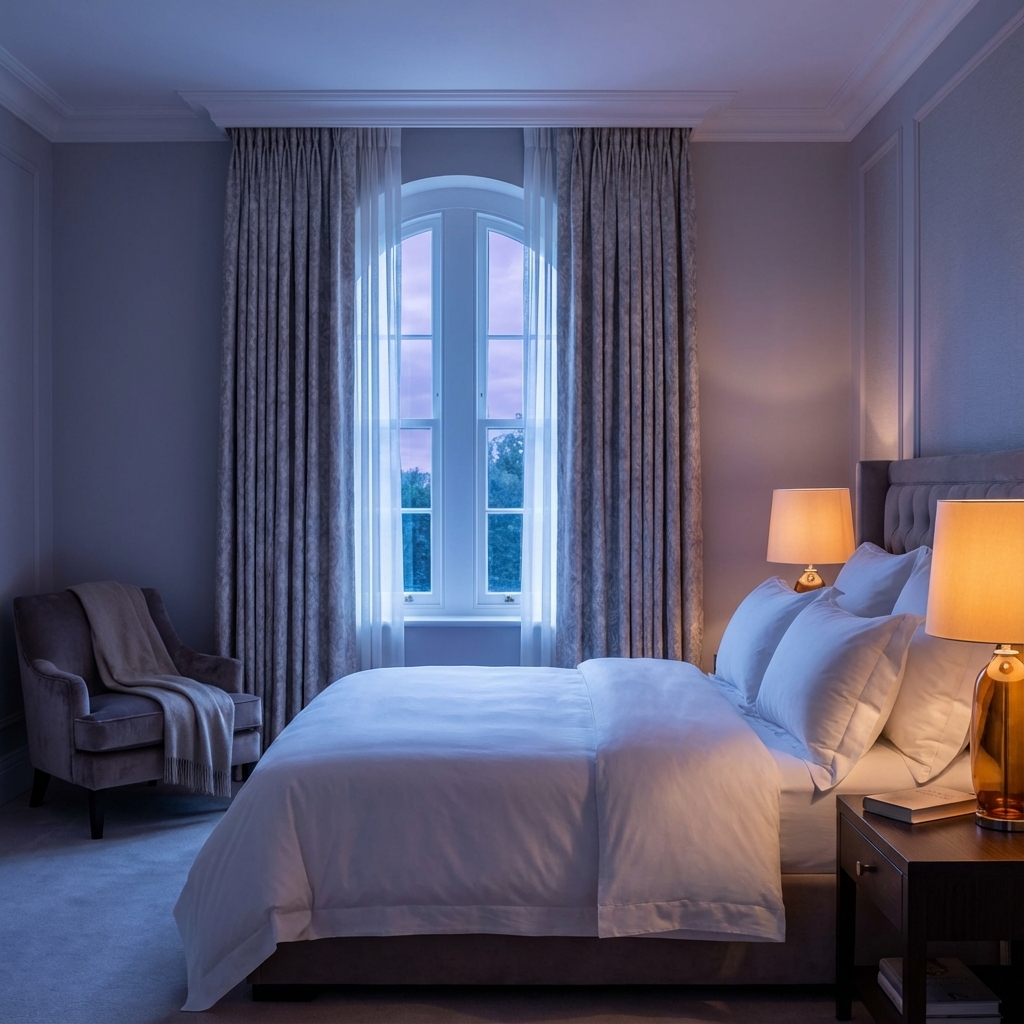
We spend one-third of our lives asleep. That's 25+ years for the average person. An immense investment.
Yet despite this investment, most people know little about sleep. They sacrifice it casually. They struggle through their days caffeinated and exhausted. They've forgotten what well-rested even feels like.
This is tragic, because sleep isn't just downtime. It's perhaps the single most powerful tool we have for health, cognitive performance, emotional well-being, and longevity.
Dr. Matthew Walker, neuroscientist and author of "Why We Sleep," puts it bluntly: "The shorter your sleep, the shorter your life."
This article will show you exactly what's happening during those hours of rest, why it matters so profoundly, and how to optimize every night for maximum benefit.
What Happens When You Sleep
Sleep isn't a uniform state. It's a complex symphony of distinct phases, each serving crucial functions.
The Sleep Cycle
Throughout the night, you cycle through stages lasting roughly 90 minutes each:
Stage 1 (Light Sleep): Transition from wakefulness. Muscles relax. Brain waves slow. Easily woken.
Stage 2 (Stable Sleep): Heart rate and body temperature drop. Brain waves continue slowing with occasional bursts of activity ("sleep spindles").
Stage 3 (Deep Sleep): The most restorative phase. Extremely slow brain waves (delta waves). Very difficult to wake. Growth hormone released. Immune system strengthened. Memory consolidated.
REM Sleep: Rapid Eye Movement. Brain becomes highly active. Dreaming occurs. Crucial for emotional processing and creative thinking.
A healthy night includes 4-6 complete cycles, with deeper sleep dominating earlier and REM increasing toward morning.
The Functions of Sleep
Memory Consolidation: During sleep, experiences are transferred from short-term to long-term memory. Synaptic connections are strengthened or pruned. You literally become smarter overnight.
Physical Restoration: Growth hormone surges during deep sleep, repairing tissue and building muscle. The immune system produces cytokines to fight infection.
Emotional Processing: REM sleep helps process difficult emotions. People who dream about traumatic events often recover faster than those who don't.
Brain Cleaning: The glymphatic system — discovered only recently — flushes metabolic waste from the brain during sleep. This may explain the link between poor sleep and degenerative diseases.
Hormone Regulation: Sleep regulates hormones controlling hunger (leptin and ghrelin), stress (cortisol), and growth.
"Sleep is the golden chain that ties health and our bodies together." Thomas Dekker
The Devastating Costs of Sleep Deprivation
We've normalized sleep deprivation as a badge of productivity. "I'll sleep when I'm dead," people say. Ironically, that may come sooner than they think.
Cognitive Impairment
After 17-19 hours without sleep, cognitive performance equals someone with a blood alcohol level of 0.05%. After 24 hours, it's equivalent to 0.10% — legally drunk.
Sleep-deprived people:
- Have impaired judgment
- Make more errors
- Think more slowly
- Struggle with creativity
- Have reduced memory formation
Yet — and this is critical — they often don't realize their impairment. They feel fine while performing poorly.
Physical Health Consequences
Chronic sleep deprivation increases risk of:
- Heart disease (24-27% increase with less than 6 hours)
- Obesity (hunger hormones are disrupted)
- Diabetes (insulin resistance develops)
- Weakened immunity (up to 70% reduction in natural killer cells)
- Cancer (link established with breast, prostate, and colon cancers)
Mental Health Impact
Sleep and mental health form a bidirectional relationship. Poor sleep contributes to depression and anxiety, while mental health issues impair sleep.
Studies show that insomnia increases depression risk 10-fold. Sleep deprivation also reduces emotional regulation, making us more reactive and irritable.
Shortened Lifespan
Large epidemiological studies consistently find that people who sleep less than 6-7 hours nightly have higher all-cause mortality. Sleep isn't optional. It's survival essential.
Optimizing Your Sleep
1. Protect Your Circadian Rhythm
Your body has an internal clock — the circadian rhythm — regulated by light exposure and timing cues.
Morning light exposure: Get bright light (preferably sunlight) within an hour of waking. This sets your circadian clock and helps you feel alert.
Consistent timing: Wake at the same time every day, even weekends. Variable wake times confuse your circadian rhythm.
Evening darkness: Dim lights after sunset. This signals your brain to start producing melatonin.
Limit blue light: Phones, tablets, and computers emit blue light that suppresses melatonin. Avoid screens 1-2 hours before bed, or use blue light filtering modes.
2. Create a Sleep Sanctuary
Your bedroom should be optimized for sleep:
Temperature: Cool rooms (65-68°F / 18-20°C) improve sleep. Your body temperature naturally drops during sleep; a cool room facilitates this.
Darkness: Any light exposure can disrupt melatonin production. Use blackout curtains or an eye mask. Cover LED displays.
Quiet: Use earplugs if needed. Consider white noise to mask unpredictable sounds.
Comfort: Invest in a good mattress and pillows. You spend a third of your life in bed — it's worth optimizing.
Association: Use your bed only for sleep (and intimacy). Working, scrolling, or watching TV in bed weakens the psychological association between bed and sleep.
3. Perfect Your Pre-Sleep Routine
What you do before bed profoundly affects sleep quality:
Wind-down time: Begin relaxing 1-2 hours before your target sleep time. Dim lights. Avoid stimulating activities.
Avoid screens: The blue light and mental stimulation from devices impairs sleep onset. Read a physical book instead.
Relax your mind: A racing mind is sleep's enemy. Try journaling, meditation, or progressive muscle relaxation.
Warm bath or shower: The subsequent body temperature drop after warming increases sleepiness.
Avoid late meals: Digestion can disrupt sleep. Stop eating 2-3 hours before bed.
4. Mind Your Substances
Caffeine: Has a half-life of 6-8 hours. That afternoon coffee is still 50% present at midnight. Limit caffeine after noon (or earlier if you're sensitive).
Alcohol: While it may help you fall asleep, alcohol disrupts sleep architecture. It fragmentsleep, suppresses REM, and causes waking as its sedative effects wear off.
Nicotine: A stimulant that reduces sleep quality and can cause insomnia.
Cannabis: May help some people fall asleep but typically reduces REM sleep, which is important for mood and memory.
5. Exercise Right
Regular exercise improves sleep quality significantly. But timing matters:
- Morning or afternoon exercise tends to enhance sleep
- Intense exercise close to bedtime can interfere with sleep onset
- Even moderate activity like walking produces benefits
Aim for at least 30 minutes of physical activity most days, ideally not within 3 hours of bedtime.
6. Navigate Naps Wisely
Naps can be beneficial but require strategy:
Timing: Nap before 3 PM. Later naps interfere with nighttime sleep.
Duration: Keep naps under 30 minutes to avoid sleep inertia (grogginess). Alternatively, nap for a full 90-minute cycle.
Intention: Use naps for genuine fatigue, not as a substitute for adequate nighttime sleep.
7. Manage Stress
Stress and anxiety are major sleep disruptors. Address them directly:
- Regular meditation or mindfulness practice
- Journaling to externalize worries
- Exercise to burn off stress hormones
- Therapy for chronic anxiety
- If worried about remembering things, write them down before bed
Common Sleep Challenges
Insomnia
Difficulty falling or staying asleep is incredibly common. For chronic insomnia, consider:
Cognitive Behavioral Therapy for Insomnia (CBT-I): More effective than sleep medications long-term, CBT-I addresses the thoughts and behaviors perpetuating insomnia.
Sleep restriction: Paradoxically, limiting time in bed increases sleep efficiency and often resolves insomnia.
Stimulus control: Strengthening the bed-sleep association. Leave the bed if awake more than 20 minutes. Return when sleepy.
Sleep Apnea
Characterized by repeated breathing interruptions, sleep apnea is surprisingly common (especially in overweight individuals) and often undiagnosed.
Warning signs:
- Loud snoring
- Gasping or choking during sleep
- Excessive daytime sleepiness despite "adequate" sleep
- Morning headaches
If you suspect sleep apnea, get evaluated. Treatment dramatically improves quality of life and reduces cardiovascular risk.
Shift Work
Shift workers face unique challenges as they work against their circadian rhythm:
- Seek bright light during your biological night (your work day)
- Create complete darkness for sleep (blackout curtains are essential)
- Maintain consistent timing even on days off when possible
- Consider melatonin supplements before your sleep period
- Accept that shift work inevitably has health costs; minimize them where possible
Sleep Across the Lifespan
Sleep needs and patterns change as we age:
Infants: 14-17 hours, highly fragmented Children: 9-11 hours, solid nighttime sleep plus naps Teenagers: 8-10 hours, with a natural shift toward later sleep timing Adults: 7-9 hours for most people Older adults: 7-8 hours, though sleep often becomes lighter and more fragmented
The common belief that older adults need less sleep is false. They often get less sleep, but their need remains.
The Sleep Mindset
Perhaps the biggest barrier to better sleep is our attitude toward it.
We've built a culture that celebrates sleeplessness. We admire the executive who sleeps four hours. We mock "lazy" people who prioritize rest.
This is not just irrational — it's dangerous.
Proper sleep isn't laziness. It's performance optimization. Elite athletes prioritize sleep above almost everything else. So do top executives, though they rarely publicize it.
Treat sleep as the strategic investment it is. Protect it. Prioritize it. Everything else in your life — your health, your relationships, your work — will improve as a result.
"A good laugh and a long sleep are the best cures in the doctor's book." Irish Proverb
Your Sleep Transformation
Tonight, pick one change:
- Set a consistent wake time
- Create a wind-down routine
- Darken your bedroom
- Stop caffeine after noon
- Put your phone in another room
Master that change before adding another. Small improvements compound.
In time, you'll remember what well-rested feels like. You'll realize you've been operating at a fraction of your potential. You'll wonder why you ever sacrificed sleep so casually.
Your better tomorrow begins with tonight's sleep. Make it count.
Tonight, grant yourself the gift of rest. Create conditions for quality sleep. Trust that the hours spent unconscious are not wasted but invested. Wake tomorrow refreshed, and live the day that sleep made possible.