The Southern Gate
Half day · about 4 to 5 hours · about 65 km round trip (approximate)
From the temple that gives the town its name, north through the Ay and Chera country to the old market town of Nagercoil. Start at 4:30 for the goddess temple and be back before the midday heat; most Hindu temples close for a break from about 12:00 to 16:00.
- 0 km · in town
Kumari Amman Temple
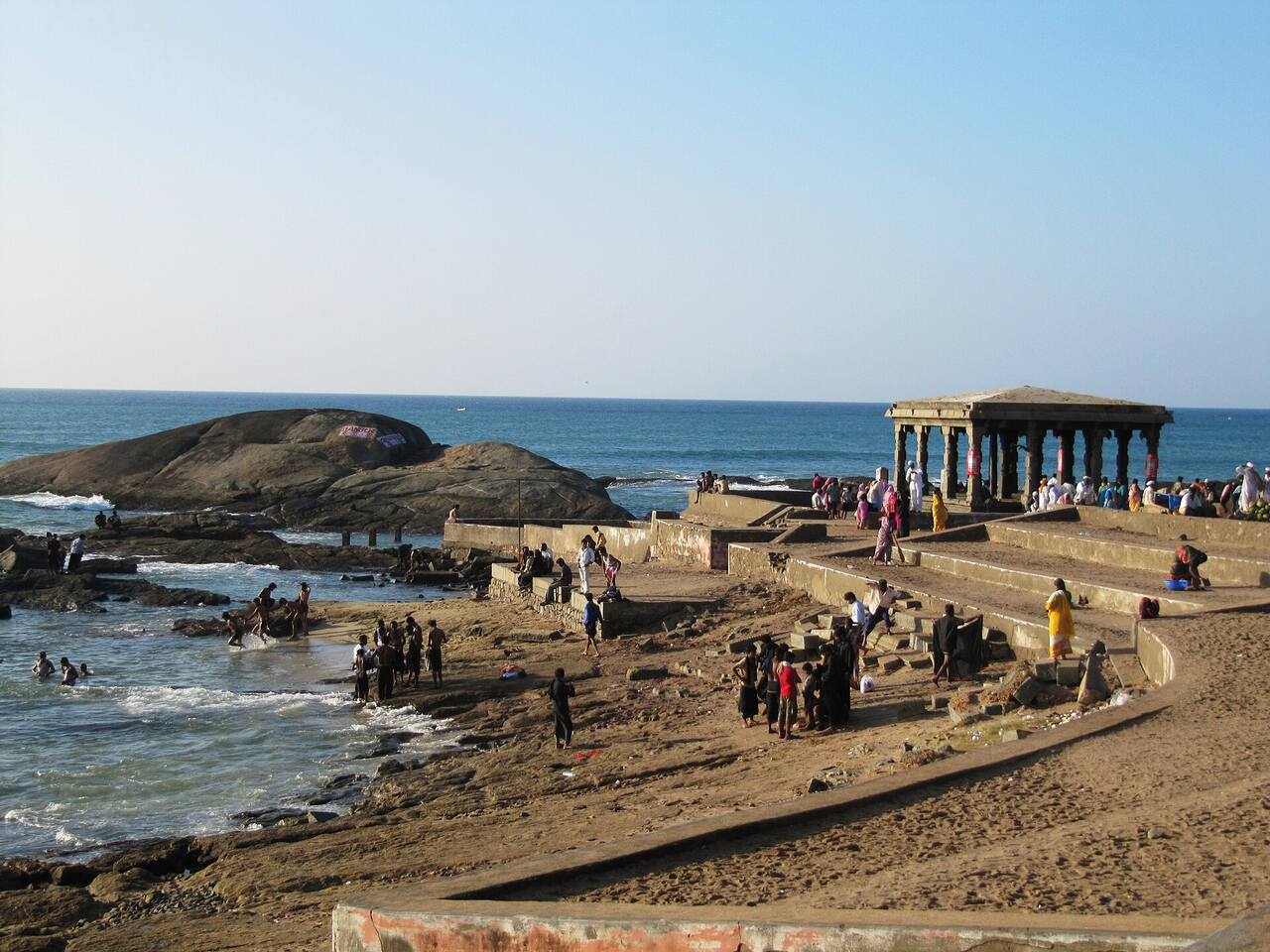
The goddess temple at the southern tip of India, after which the town is named.
Tradition says Parasuram built it some three thousand years ago and a Pandiya king later renovated it; treat that as legend, not record. Inside are the standing image holding prayer beads, a four-pillar hall that gives musical sounds and the Pathala Ganga tirtha. The east door opens only on certain days of the year.
Know before: the district page (updated March 2026) gives 4:30 to 12:30 and 16:00 to 20:30. Dress rules differ between sources, so wear traditional or modest clothes and expect to remove your shoes. Photography is restricted; some sources also bar mobile phones inside. Confirm locally.
- About 7 km
Vattakottai Fort
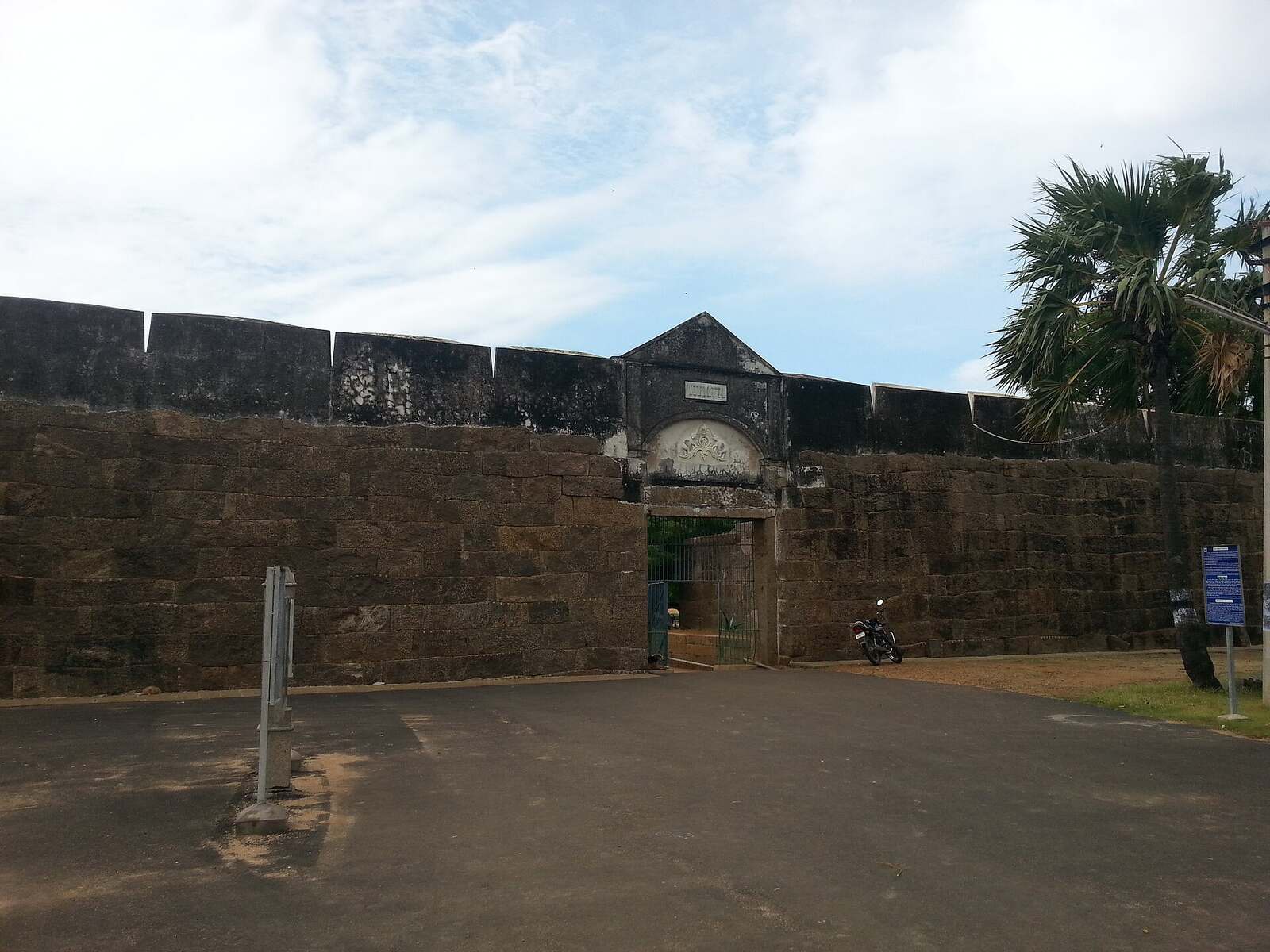
A granite sea fort protected by the Archaeological Survey of India (ASI).
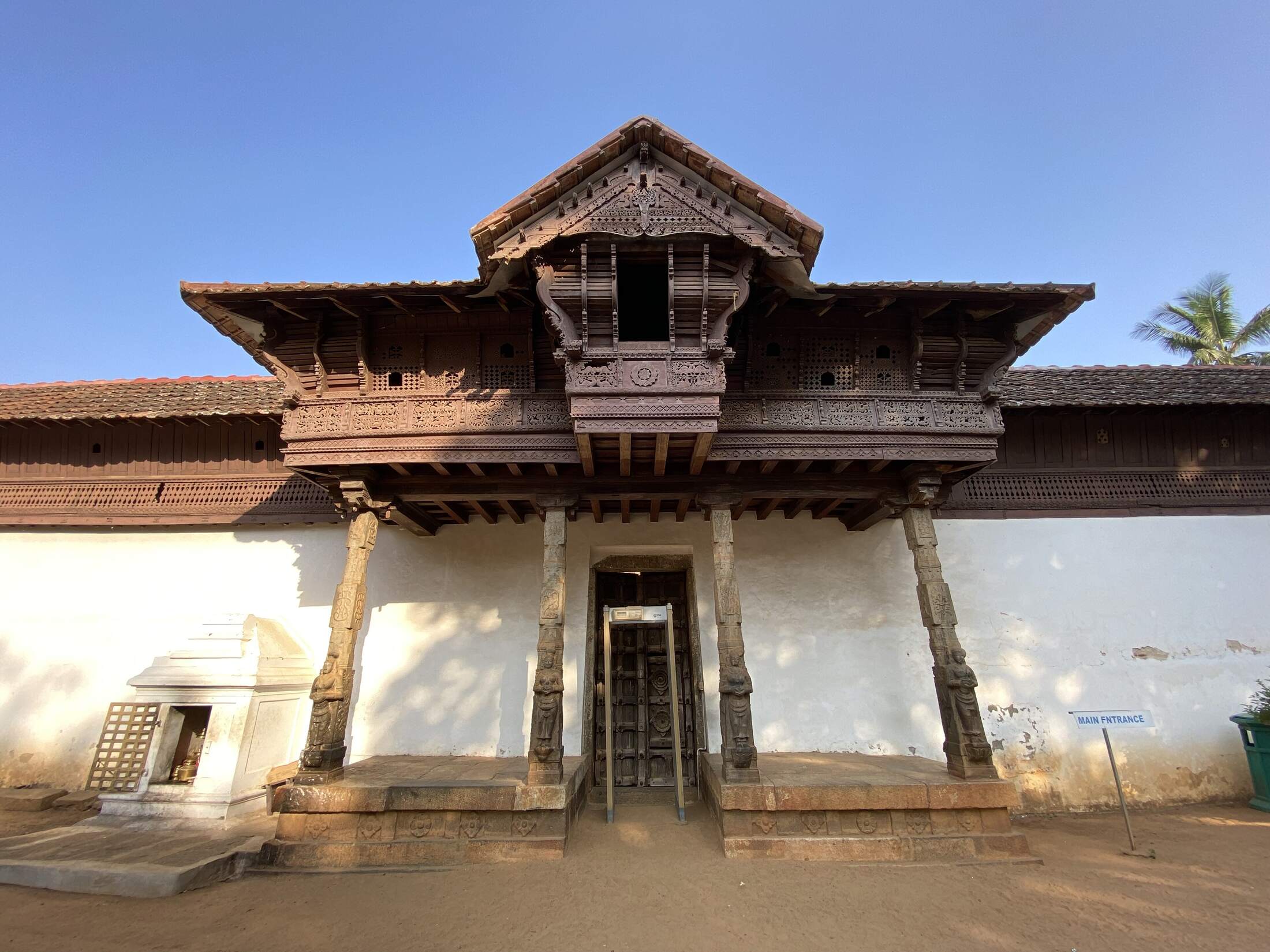
Built in the 18th century for the Travancore kings, by Marthandan Chempakaraman Pillai and later modified by De Lannoy; treat the dating as traditional. Walk the ramparts to the seaward bastion, with the sea on one side and the Western Ghats on the other. The ASI has carried out a major renovation, date not given.
Know before: opening hours are not verified and sources conflict (8:00 to 17:00 is the most common reading). Fees range from free to Rs 25 in listings. Confirm at the gate. Late afternoon light is best, but this loop is a morning run, so treat the fort as a short, early stop and keep to the ramparts.
- 11 km
Thanumalayan Temple, Suchindram
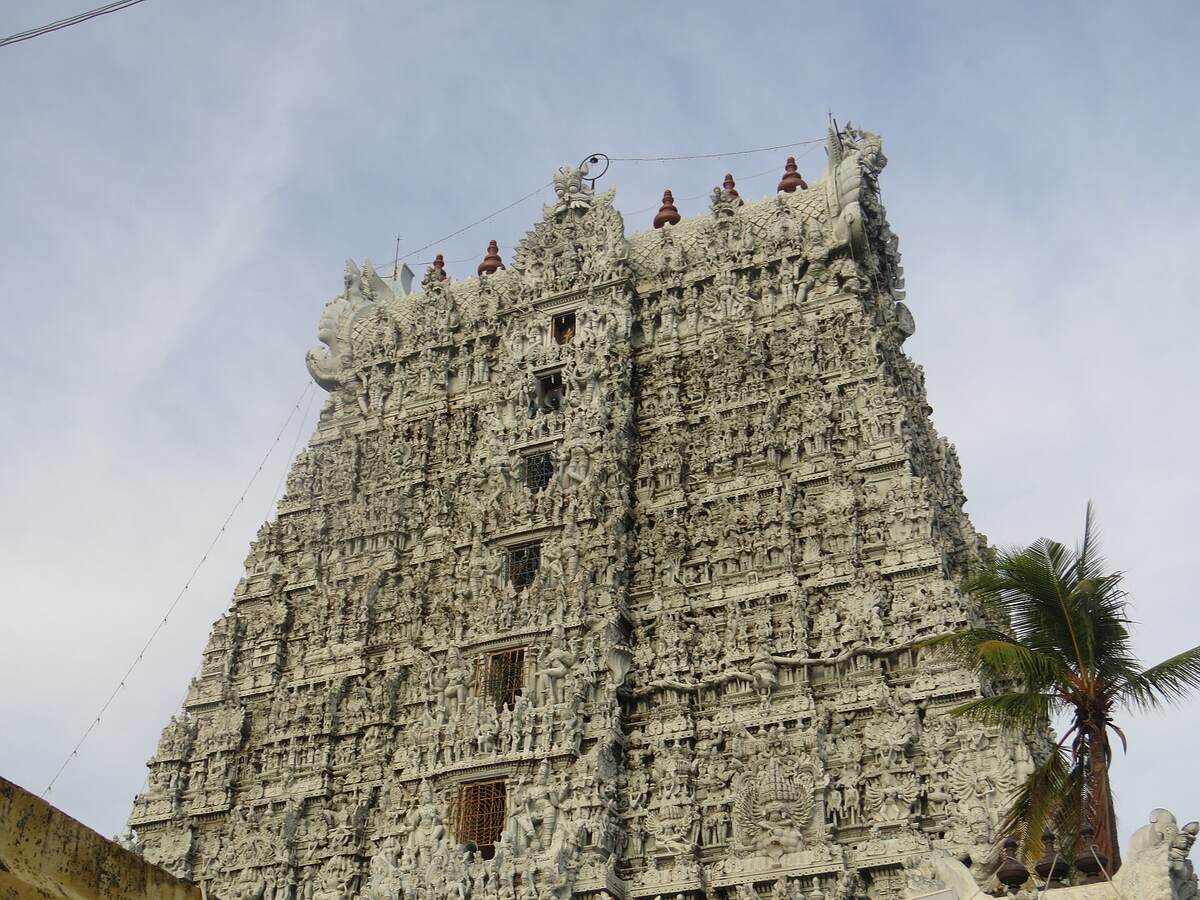
A Shiva, Vishnu and Brahma temple with a 134 ft gopuram, a large Hanuman image and musical pillars.
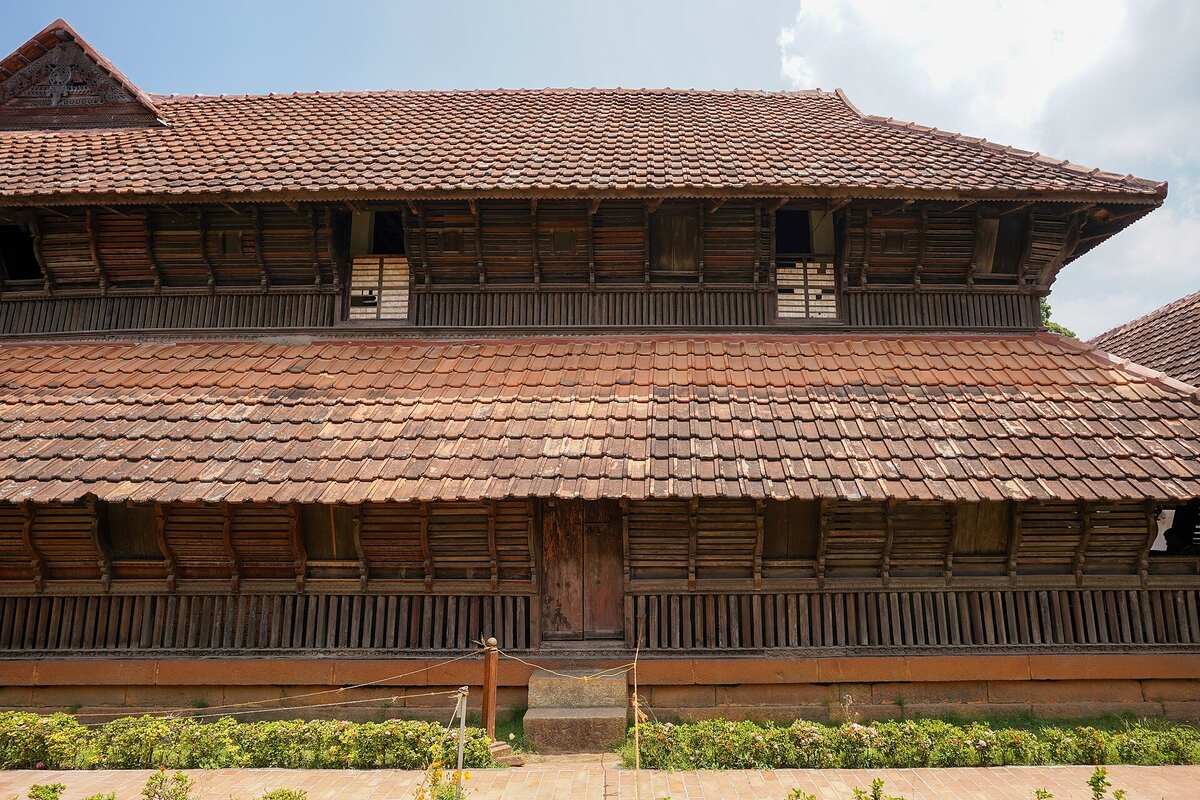
The shrine carries Chera, Pandya, Nayak and Travancore layers of building, and no firm foundation date. The seven-storey gopuram is covered in sculpture; the musical pillars of the Alankara Mandapam now stand behind iron grills; about thirty shrines fill the complex. Dawn darshan avoids the crowds, and the interior is a long walk.
Know before: a Hindu temple (HR&CE). Listings give about 4:30 to 11:30 and 17:00 to 20:30 but these are not official; confirm locally. Wear traditional attire and leave footwear outside; men are commonly bare-chested in the inner areas. Assume no photography inside. Non-Hindu access to the sanctum is stated differently by different sources; confirm at the gate. Arrange a temple guide in advance.
- About 20 km
Thiruvazhmarban Temple, Thirupathisaram
A Divya Desam Vishnu temple on a stepped tank, the traditional birthplace of the Alvar saint Nammalvar.
The oldest inscription is dated 1139 CE, with others of 1613 and 1785; the exact history cannot be confirmed. See the five-tier gopuram, the Soma Tirtham tank, the Dashavatara paintings in the Kalyana Vimana Mandapa and the sanctum bronzes. About 5 km from Nagercoil.
Know before: a Hindu temple (HR&CE). Listings for the timings conflict, for example 4:30 to 12:30 and 17:00 to 20:00; official hours are not verified, so confirm locally. Dress code and photography are not verified; plan on traditional dress. Go in the cool hour before the midday closure.
- About 20 km
Nagaraja Temple, Nagercoil
A snake-king temple that keeps Jain tirthankara images inside a Hindu shrine, and gives Nagercoil its name.
The date is uncertain, probably older than the 12th century. Six Jain figures stand here, among them Mahavira and Parsvanatha with Padmavati, all unusually with lion emblems. The sanctum was once thatched with a sandy floor and is now enclosed in stone; there is a sixteen-pillar mandapa with four-faced pillars. Ask for a guide who can explain the Jain-Hindu overlap.
Know before: a Hindu temple; hours, dress code and photography are not verified. Confirm locally.
- About 20 to 22 km (approximate)
St Francis Xavier Cathedral, Kottar
The old Catholic church of Kottar, now a cathedral and a pilgrimage centre.
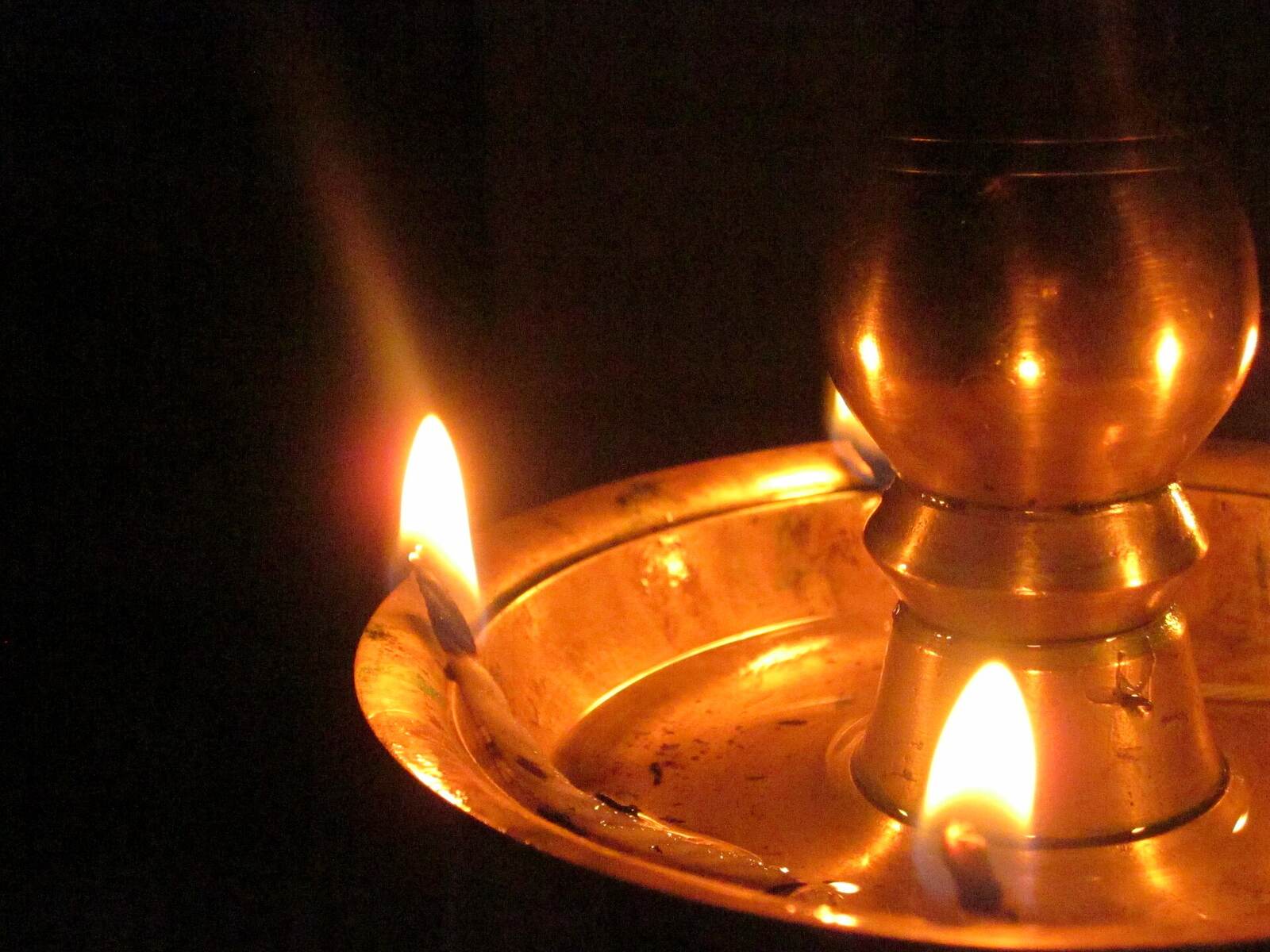
A small Marian shrine stood here from 1544; church records give 1600 for the completed church, which was enlarged in 1865 and became a cathedral in 1930. Other sources give slightly different dates. Look for the high altar, where Devasahayam Pillai was buried in 1752, and the perpetual lamp. It is 1 to 2 km from the Nagaraja Temple.
Know before: travel listings give 8:00 to 18:00, free; Mass times are not verified, and modest dress is customary. Avoid the ten-day festival, 24 November to 3 December, when the car procession (1 to 3 December) fills the town.