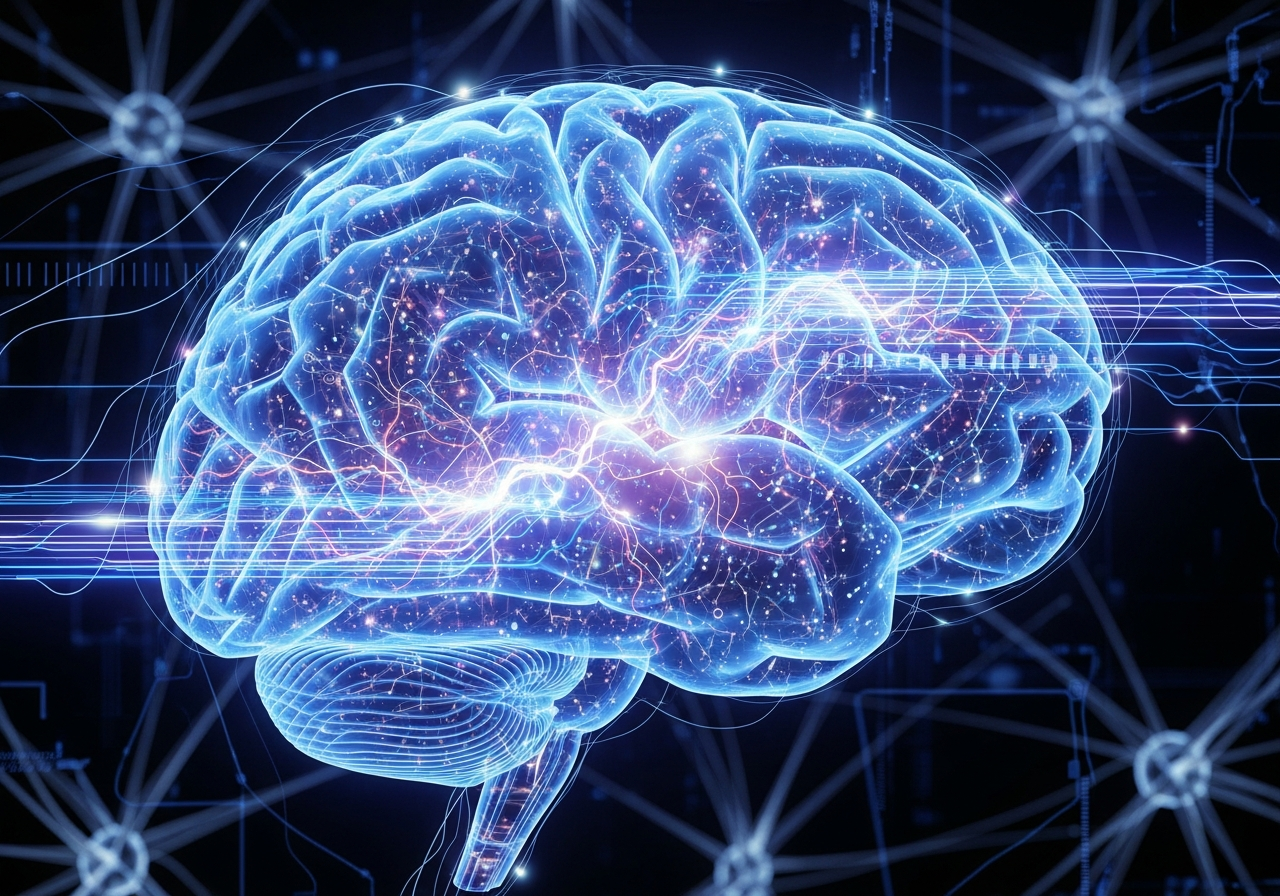
Mindset is the set of beliefs through which you interpret events, and resilience is what those beliefs make possible when events go badly. Both are trainable. The consistent finding across Stoic philosophy and modern psychology is that the interpretation you place on a difficulty largely determines what the difficulty does to you.
Key takeaways
- Resilience is not the absence of distress. It is the capacity to be knocked over and to reorganise, which requires having been knocked over at some point.
- The Stoic dichotomy of control is the most portable mental model available: separate what is up to you from what is not, and spend your energy accordingly.
- Beliefs are not merely psychological. Expectation measurably shapes physiology, which means how you frame stress changes what stress does to your body.
- There is a dose curve to hardship. Small, recoverable stressors build capacity; chronic, inescapable ones erode it.
- Antifragility goes one step beyond resilience: some systems, including you, can be built to improve because of disorder rather than merely survive it.
Three postures toward difficulty
Most people hold one of three stances toward adversity, and the difference between them shapes a life.
The first is fragility: hoping nothing hard happens, and being genuinely damaged when it does. The second is resilience: absorbing the blow and returning to baseline. The third is antifragility — arranging your life so that volatility makes you stronger rather than merely leaving you intact. The antifragile mindset develops this properly, and it is worth understanding as an ambition rather than a slogan: you cannot become antifragile by wishing, only by structuring exposure to difficulties you can recover from.
That is also why the second stance is not a lesser goal. The practical work of building resilience — meaning, connection, flexible thinking, a functioning body — is the platform everything else stands on. Skip it and volatility does not make you stronger; it just breaks you in interesting new ways.
What can you actually control?
Very little, if you are honest. Not outcomes, not other people, not the past, not most of what the day contains. What remains under your control is your judgment about events, your chosen response, and where you direct attention. Narrowing your effort to that territory is the oldest anxiety-reduction technology in existence, and it still works.
This is the practical core of Stoicism, and the Stoic path to self-mastery covers how Marcus Aurelius, Seneca and Epictetus turned it into daily practice — the evening review, negative visualisation, the deliberate acceptance of what has already happened. None of it requires believing anything metaphysical. It is a set of exercises for a mind that keeps trying to argue with reality.
The modern parallel is a body of work on how framing changes outcomes. What placebo research reveals about belief is the most striking evidence here: expectations about stress, food and exertion have measurable physiological consequences. Not unlimited ones — belief does not repair a broken bone — but real ones, and larger than most people assume.
Using stress instead of being used by it
Stress has a dose-response relationship, not a linear one. The science of hormesis and stress mastery is the key idea in this cluster: a challenge large enough to demand adaptation but small enough to recover from is precisely what triggers growth. Remove all stress and capacity atrophies. Remove all recovery and capacity collapses. The skill is dosing.
Applied to the mind, this means seeking out difficulty on purpose in domains where the downside is survivable — hard conversations, unfamiliar work, physical discomfort, public failure at small scale. Applied to belief, it means treating the story you tell about a setback as an intervention rather than a report. Rewiring how you think and the neuroscience of changing your mind both approach this from the plasticity side: repeated attention shapes structure, so the interpretation you rehearse becomes the interpretation that arrives automatically.
Where to begin
Begin with the dichotomy of control, because it costs nothing and immediately reduces wasted effort. Add an evening review — what did I handle well, what did I not, what will I do differently — since reflection is what converts experience into learning rather than just accumulation. Then choose one voluntary difficulty and repeat it until it stops feeling difficult.
Two nearby paths help. When the difficulty is fear rather than adversity, the anxiety and exposure guides offer a more specific method. And because mental toughness has a physical substrate — sleep, training, cold, heat — the body and longevity hub covers the inputs that make an ostensibly mental capacity far more available. The wider picture, how these pieces assemble into a coherent life, is the subject of life mastery as an integrated practice.