Your brain runs on a body, and how you treat that body determines the mind you get to use. Movement, sleep, food, temperature stress and human contact are not separate from mental performance — they are its inputs. Longevity work and cognitive work turn out to be largely the same project approached from different ends.
Key takeaways
- The brain is not fixed hardware. It reorganises in response to what you repeatedly do, and several of the strongest signals for that reorganisation are physical.
- Exercise is the highest-leverage intervention available for cognition and mood, and no supplement comes close to matching it.
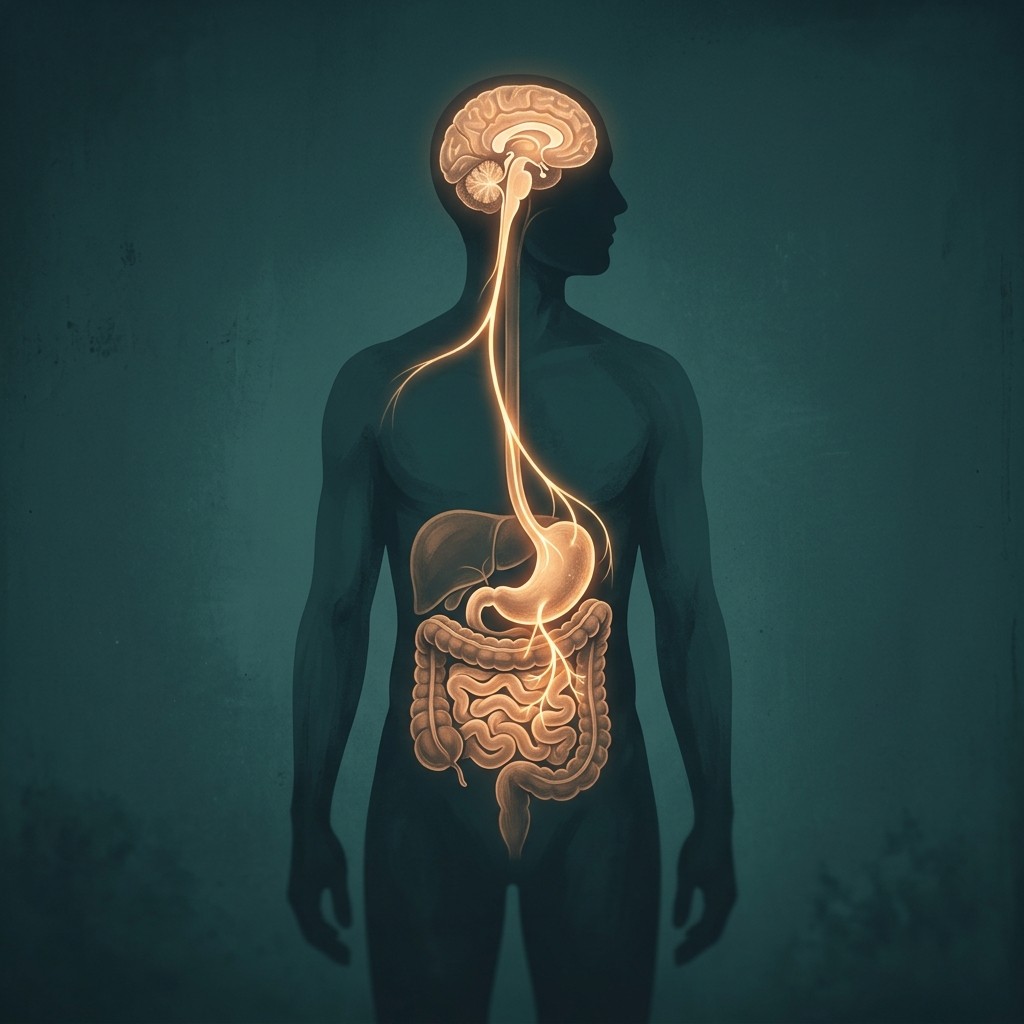
- Your gut and brain are in constant two-way conversation, which is why digestion, diet and mental state are so hard to separate.
- Deliberate discomfort — cold, heat, hunger, hard effort — provokes adaptation, but only when followed by real recovery.
- Relationships behave like a fitness domain: they need regular training, they atrophy from neglect, and they predict long-term health more strongly than most people expect.
The substrate: why physical inputs change mental output
The tidy separation between mental and physical self-improvement is a modern invention and a costly one. Attention, mood, memory and self-control all degrade predictably with poor sleep, sedentary days and unstable energy — and improve when those are corrected. The unbreakable link between physical discipline and mental excellence makes the argument in full: you cannot think your way past a neglected body indefinitely.
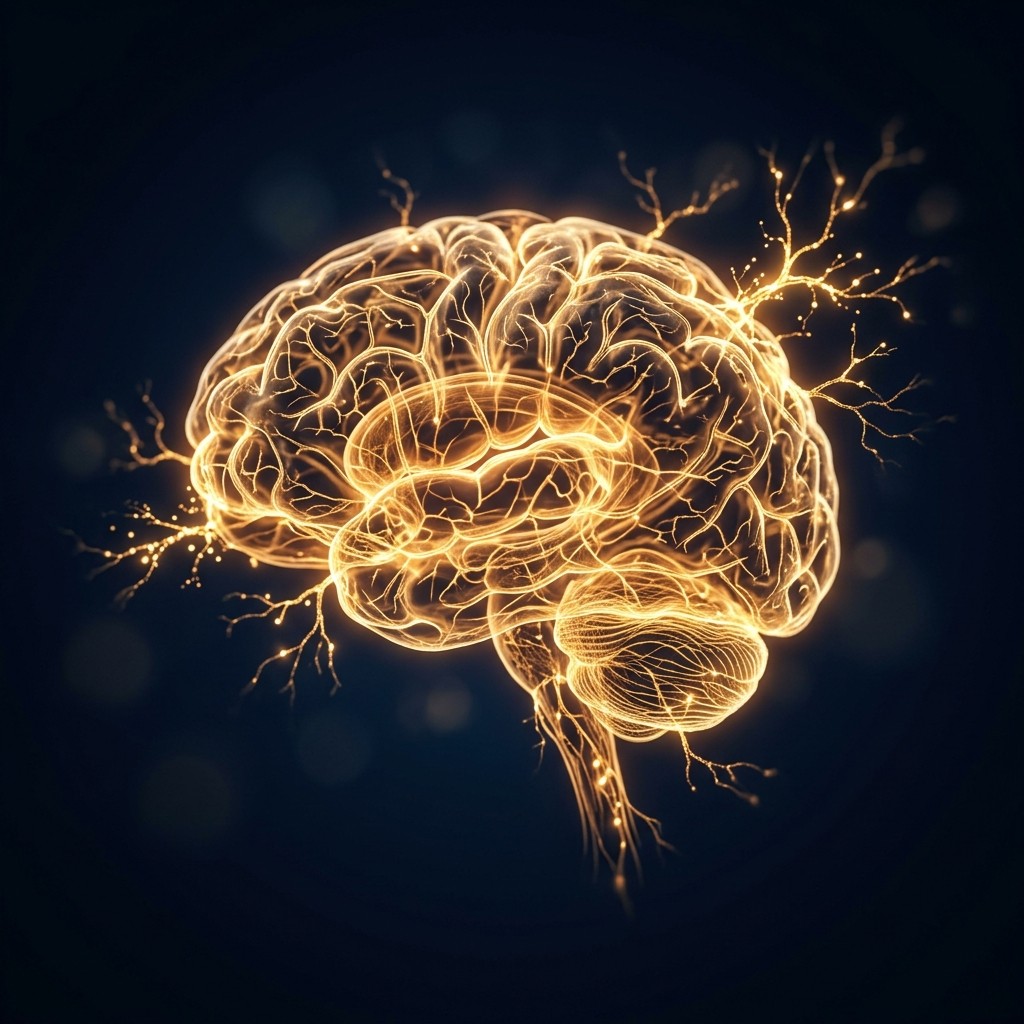
The mechanism sits underneath everything in this cluster. Neuroplasticity — how your brain rewires explains what actually switches change on: focused attention, novelty, sufficient difficulty, and consolidation during rest. Notice how many of those are conditions you can arrange rather than traits you either have or lack.
That framing matters even for something as mundane as how you hold yourself. Embodied cognition — the traffic running upward from posture, breath and movement into thought — means your physical configuration is feeding back into how you think and feel continuously, whether or not you are paying attention to it.
Which inputs matter most?
In rough order of return: movement, sleep, food, then deliberate stressors. Movement is first because exercise remakes the brain — improving mood, sharpening attention, supporting the growth of new neurons in learning-related regions, and protecting against decline over decades. Nothing else on the list produces that breadth of effect.
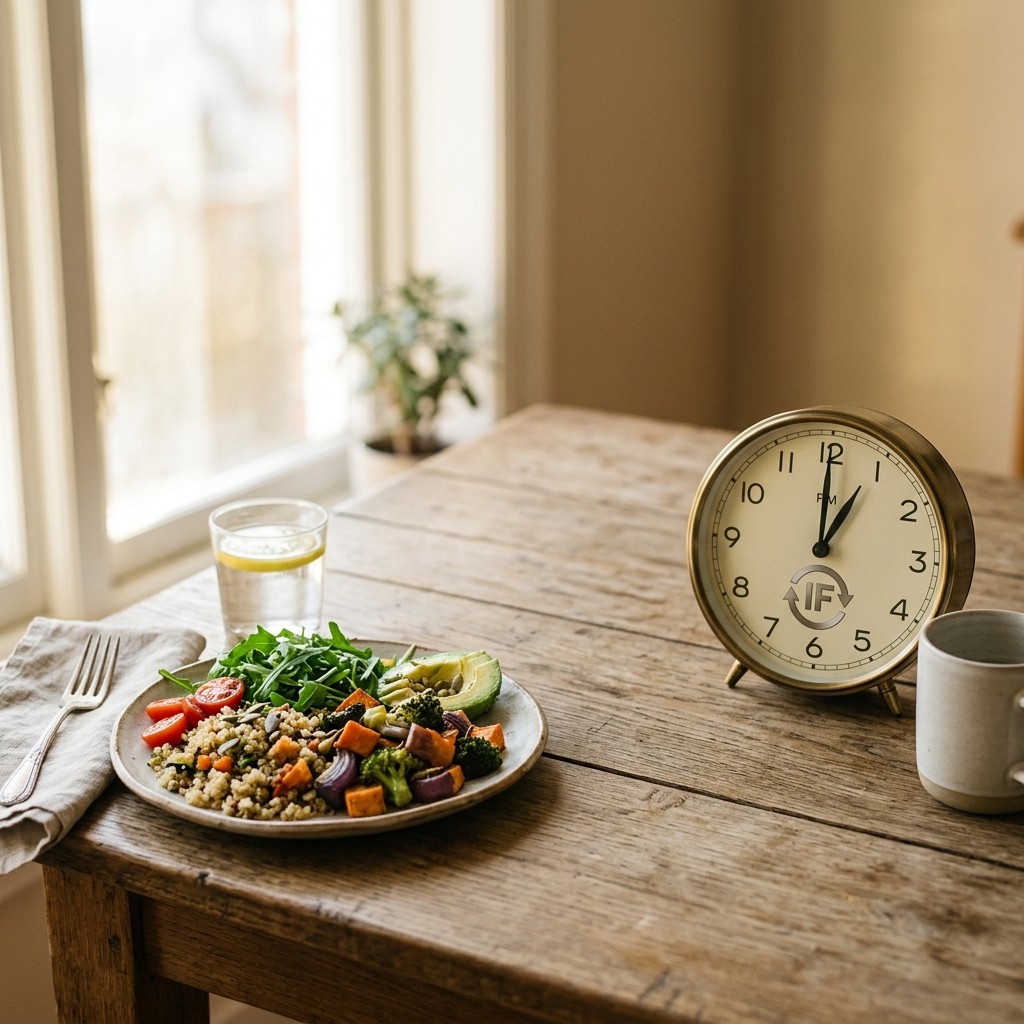
Food is more than fuel. The gut-brain connection covers the vast neural network in your digestive tract and the microbial population that talks to your brain all day, which is why what you eat shows up in how you feel with a delay of hours, not weeks. Related but distinct is when you eat: metabolic flexibility and fasting is about restoring the ability to switch cleanly between fuel sources, a capacity that constant grazing tends to blunt.
Then come the voluntary stressors. Cold exposure and resilience is as much psychological training as physiological — standing under freezing water teaches you, in a way no argument can, that you can stay with discomfort you were certain you could not. Heat exposure and the sauna research approaches the same hormetic principle from the opposite direction, with a notably strong observational literature behind it.
The input most people ignore
Longevity conversations tend to fixate on the measurable — training loads, glucose, biomarkers — and skip the variable that decades of follow-up research keep surfacing: the quality of your relationships. Social fitness and longevity treats connection as a trainable domain rather than a matter of luck or temperament, with the same logic you would apply to strength: regular practice, gradual progression, attention to what has weakened.
This is not a soft addendum to a hard programme. Isolation carries measurable physiological costs, and the relationships that survive a busy decade are the ones that were deliberately maintained.
Sequencing the work
Do not attempt all of it. Order the changes by leverage and by what you will actually sustain. Sleep first, since it is the amplifier for everything else and the rest and wellbeing hub covers it in depth. Movement second — enough to raise your heart rate several times a week, whatever the format. Food third, aiming for consistency rather than optimisation. Deliberate stressors fourth, once the foundation is stable enough that recovery is actually happening.
Then let the practice compound. The mechanism that makes any of this stick is not novelty but repetition, which is the business of the habits and routines hub. A body trained slowly, for years, is what makes an ambitious mind sustainable.