Rest is not what happens when work stops — it is the process that makes the next stretch of work possible. Sleep consolidates learning, regulates mood and restores self-control; deliberate recovery prevents the slow slide into burnout. Treating rest as an input rather than a reward is the single largest shift most driven people need.
Key takeaways
- Sleep is the foundation of everything else. Memory consolidation, emotional regulation and willpower all degrade first when it is short.
- Timing matters as much as duration. A consistent schedule and morning daylight anchor the internal clock that governs energy across the day.
- Rest is active, not empty. The most restorative activities are usually different from work, not simply the absence of it.
- Attention practices such as gratitude and awe reliably shift wellbeing, and they cost nothing but a few minutes of directed attention.
- Solitude and play are not indulgences. They are where self-knowledge, creativity and emotional recovery actually happen.
Sleep first, everything else after
There is no way to optimise around insufficient sleep. Learning fails to consolidate, emotional reactions amplify, the appetite for risk shifts, and self-control thins out — which is why so many apparent discipline problems resolve when sleep is repaired. The science of sleep covers what actually happens across a night, what deprivation costs, and the specific levers — light, temperature, caffeine timing, consistency — that improve quality rather than merely lengthening time in bed.
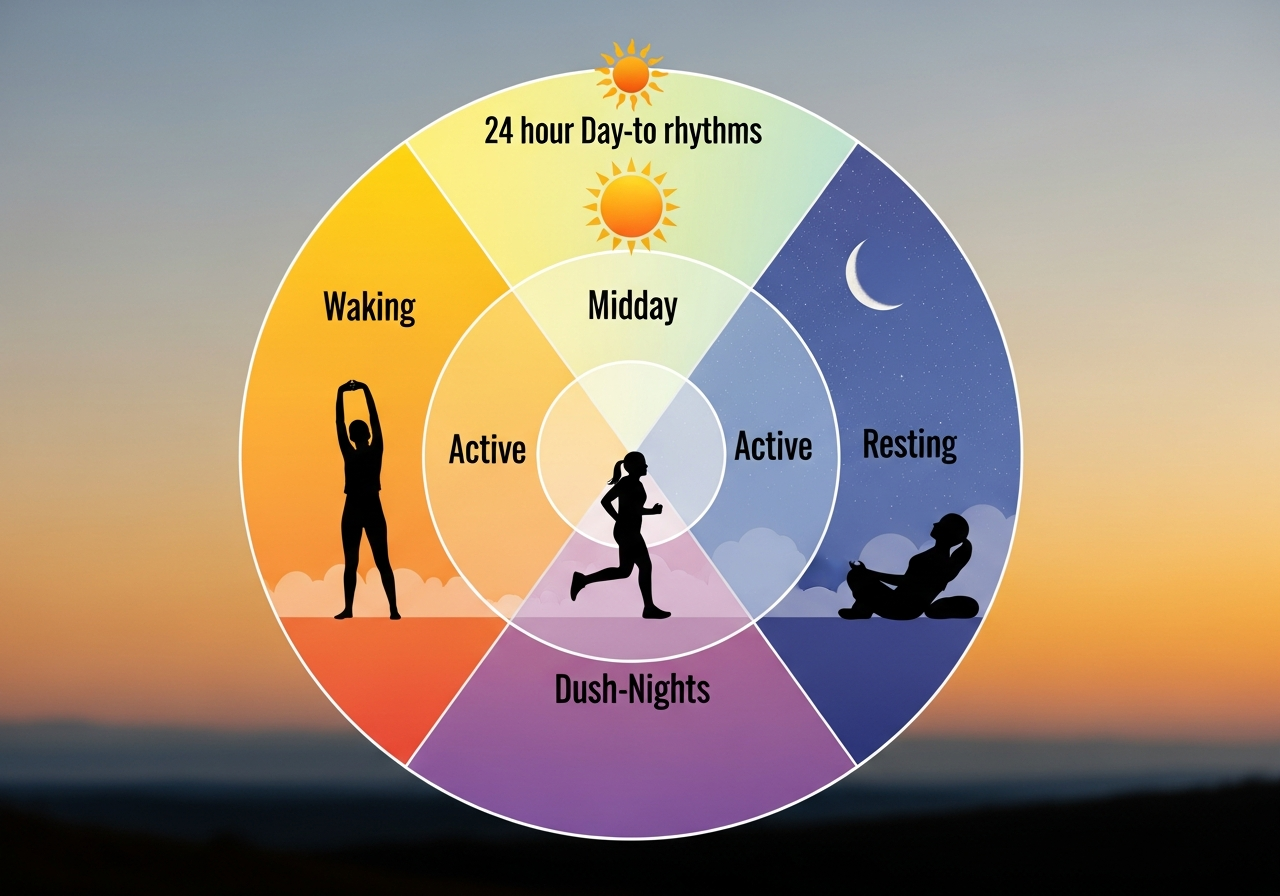
Duration is only half the picture. Your body runs on a roughly twenty-four-hour clock that governs alertness, hormone release, temperature and digestion, and modern life scrambles it: bright light at night, dim light by day, meals and wake times that move by hours across a week. The circadian advantage is about resynchronising that clock — morning daylight, a stable wake time, dimmer evenings — so that energy arrives when you need it instead of at midnight.
Why is rest an input rather than a reward?
Because performance is a cycle, not a line. Capacity is built during recovery, not during exertion — the training session creates the stimulus and the rest converts it into adaptation. Working continuously does not extend output; it flattens it, producing more hours of steadily worse work.
The case for strategic rest makes this concrete: deliberate recovery, scheduled with the same seriousness as work, tends to raise total output rather than reduce it. The people who sustain demanding work for decades are rarely the ones who rested least.
Passive collapse is not the same as recovery, though. Scrolling at the end of a long day fills time without restoring much of anything. Genuine rest usually involves a different mode from your work — physical if your work is mental, unstructured if your work is structured, social if your work is solitary.
Five kinds of restoration
Gratitude. Directing attention toward what is working is a small intervention with a durable effect on mood and outlook. The practice of gratitude covers how to do it without slipping into hollow repetition — specificity is what keeps it alive.
Awe. The experience of vastness quiets self-preoccupation, expands the felt sense of available time and appears to increase generosity. The science of awe makes the case that it is far more accessible than canyon rims and cathedrals suggest.
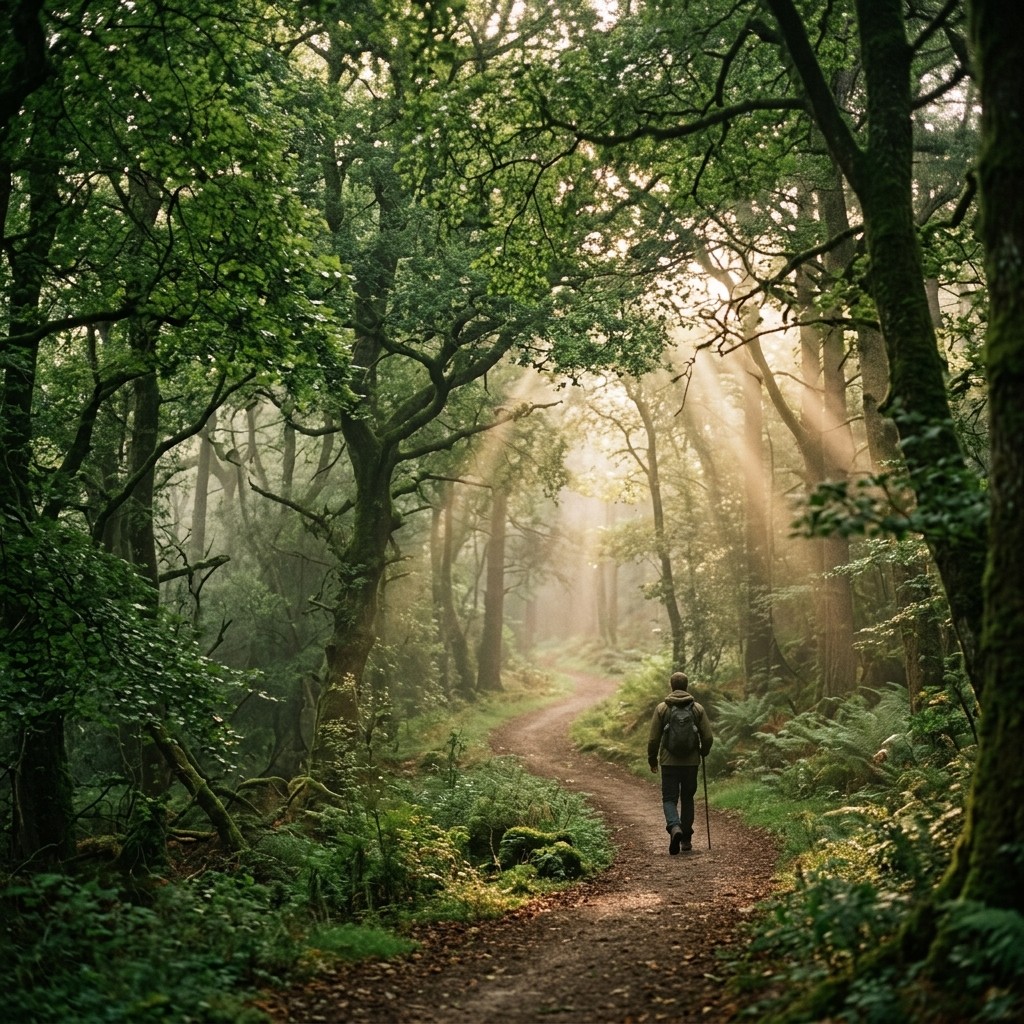
Nature. Time outdoors measurably affects stress physiology, attention and creative problem-solving, and the effect appears at surprisingly modest doses. The nature effect on wellbeing covers how to prescribe it for yourself.
Solitude. Deliberate time alone — distinct from loneliness — is where emotional processing and self-knowledge happen, and modern life has quietly engineered it out. The science of solitude is about reclaiming it on purpose.
Play. Unstructured, purposeless activity is a biological need rather than a childhood remnant, and it fuels creativity and connection throughout adult life. The science of play explains why the most useless-seeming hour of your week may be doing the most work.
Building a recovery week
Anchor the sleep window first and keep it stable, weekends included. Add one daily micro-recovery: a short walk outdoors, a few minutes of gratitude, a genuine pause between blocks of work. Reserve one weekly block for something with no productive justification. Schedule these before the calendar fills, because rest never wins a competition for leftover time.
Recovery is what makes intensity survivable, so this hub pairs directly with the focus and deep work guides — deep work and deep rest are two halves of the same rhythm. And the physical foundations underneath all of it, from movement to temperature to food, are covered in the body and longevity hub.