Purpose is not a hidden object waiting to be discovered — it is built, through contact with work that engages you and people you are useful to. Life design is the method: treat your life as a prototype, run small experiments, keep what generates energy, and let a direction emerge from evidence rather than introspection alone.
Key takeaways
- Waiting for purpose to arrive as a revelation is the most common way to never find it. Purpose is assembled from action, not retrieved from reflection.
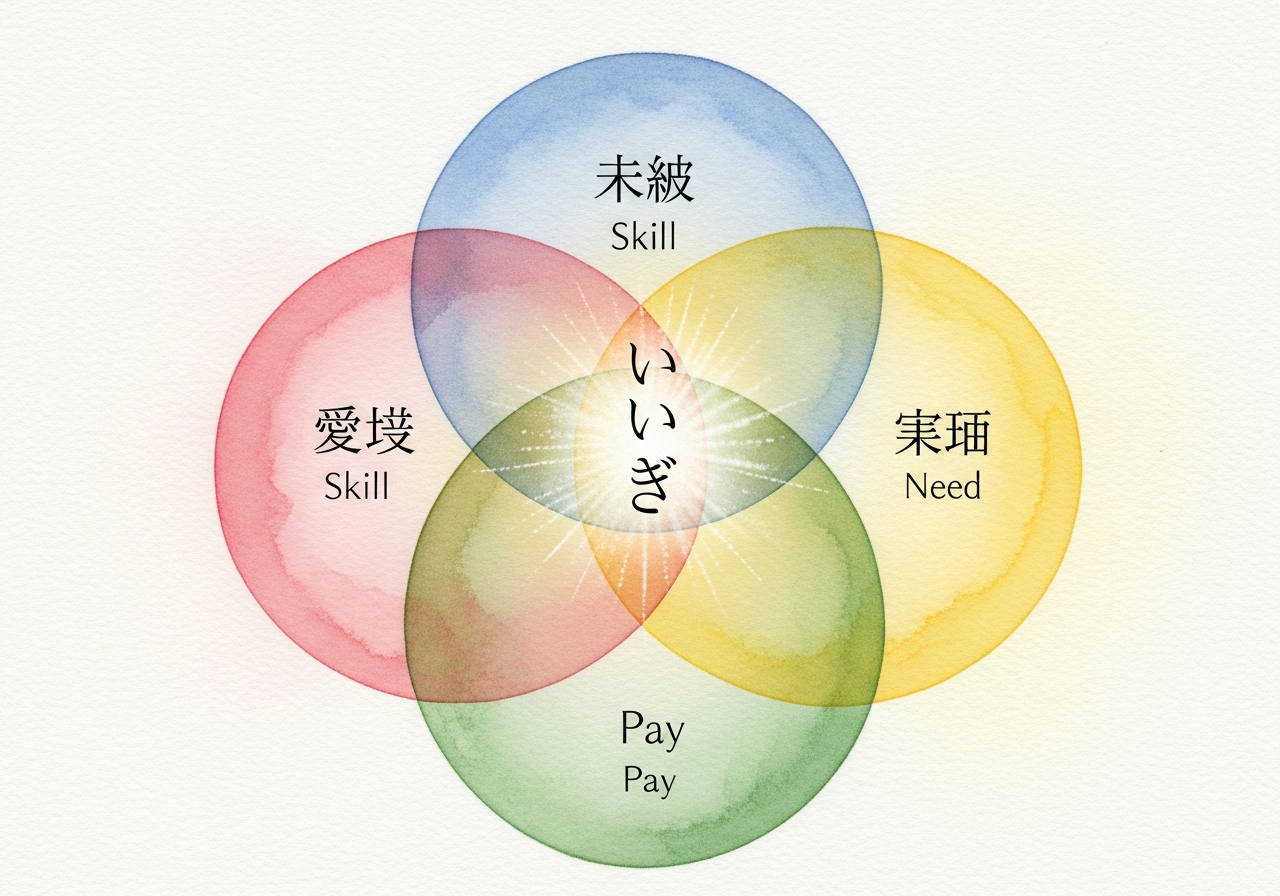
- Ikigai is useful because it is an intersection: what you love, what you are good at, what the world needs, and what can sustain you — no single circle is enough.
- Pursuing happiness directly tends to backfire. Meaning is the more reliable target, and contentment usually arrives as a side effect.
- A life can be designed like a product: prototype cheaply, gather real data, and change direction without treating each change as failure.
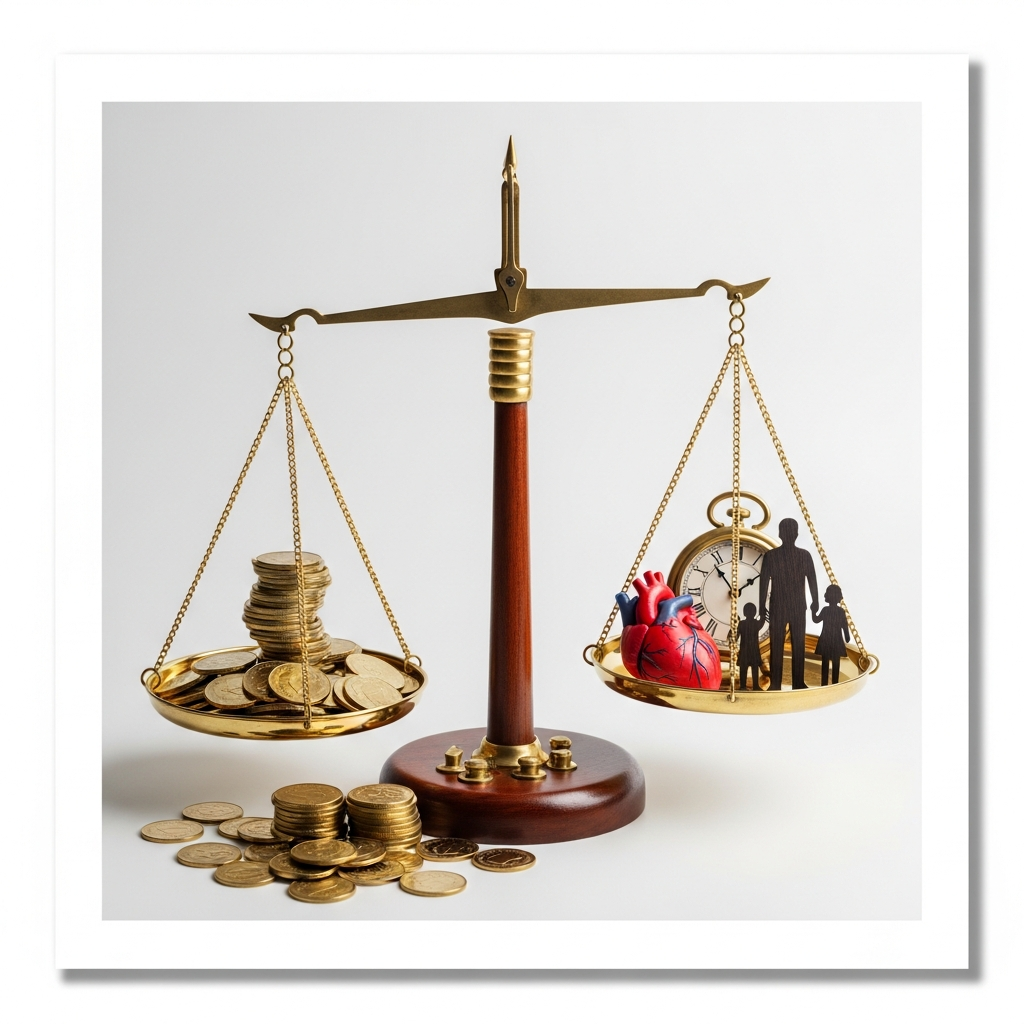
- Money is a tool for buying autonomy over your time. Beyond a point, more of it stops improving life unless it is converted into freedom or contribution.
Purpose is built, not found
The search framing sets people up to fail. It implies purpose already exists somewhere, fully formed, and that you have simply not looked hard enough — which turns an ordinary process of trial and refinement into a personal deficiency.
The alternative is more forgiving and considerably more effective. Try things. Notice which activities leave you with more energy than they took. Notice which problems you keep returning to unprompted, and which forms of usefulness you find genuinely satisfying rather than merely admirable. Creating rather than finding your reason for being works through that process, including the values clarification that makes the signal readable.
The Japanese concept of ikigai gives the search a shape. Its value is in insisting on the overlap: passion without competence is frustration, competence without contribution is drift, contribution without sustenance is unsustainable. Purpose lives where the circles meet, and most dissatisfaction is a diagnosis about which circle is missing.
Why does chasing happiness so often fail?
Because happiness is a state you notice, not a target you can aim at directly. Monitoring how happy you feel tends to interrupt the absorbed engagement that produces the feeling, and treating any given experience as a test of your wellbeing makes ordinary contentment feel like failure.
The happiness paradox and how to find your own path explores this trap, including the cultural pressure to be visibly thriving. The practical move is to aim past happiness at meaning: work that stretches you, relationships you invest in, contribution that outlasts your mood. Satisfaction shows up in the periphery when you stop staring at it.
From intention to architecture
Knowing what matters changes nothing until it changes your calendar and your commitments. This is the shift from purpose to design.
Designing your life with intention borrows the discipline of prototyping: instead of agonising over a five-year decision, run a small, cheap version of the life you are considering and gather actual data. Talk to people doing the thing. Spend a fortnight inside it. Real information beats imagined information, and it arrives faster.
Radical life design presses harder on the same idea — the recognition that a life is being created either by you or by default, and default is remarkably persistent. Most people's schedules are archaeological records of decisions made years ago by someone with different priorities.
Two specific domains carry disproportionate weight. Work: for many, purpose runs through what they do all day, and the transition from doing the work to leading others doing it is the point where the old skills stop transferring — what the research says about becoming a leader covers that shift honestly. Money: aligning your finances with your values and the psychology of true wealth treat money as stored life energy, and freedom as the actual product you are buying.
Where to start
Start with a fortnight of observation. Track what energises and what drains you, without editing for what you think should be true. Then name three or four values in plain language you would actually defend under pressure. Then design one prototype — a project, a conversation, a small commitment — that tests a direction rather than announcing one.
Direction without execution is daydreaming, so the habits and routines hub is the necessary next step once you know where you are pointed. And because designing a life requires the mental steadiness to survive its uncertain middle, the mindset and resilience guides pair naturally with everything here.